Alfalfa and Hemp Dewatering: Turning Wet Forage into Storable Fibre
Alfalfa, hemp and similar forage crops carry 70–80% moisture at harvest, and every kilogram of that water has to be removed before the fibre can be stored, sold or processed. Mechanical dewatering with a screw press removes most of the free water for a fraction of the energy that thermal drying needs — which is why forage processors are adding a press stage ahead of their dryers. This guide explains the process, the savings and the equipment.
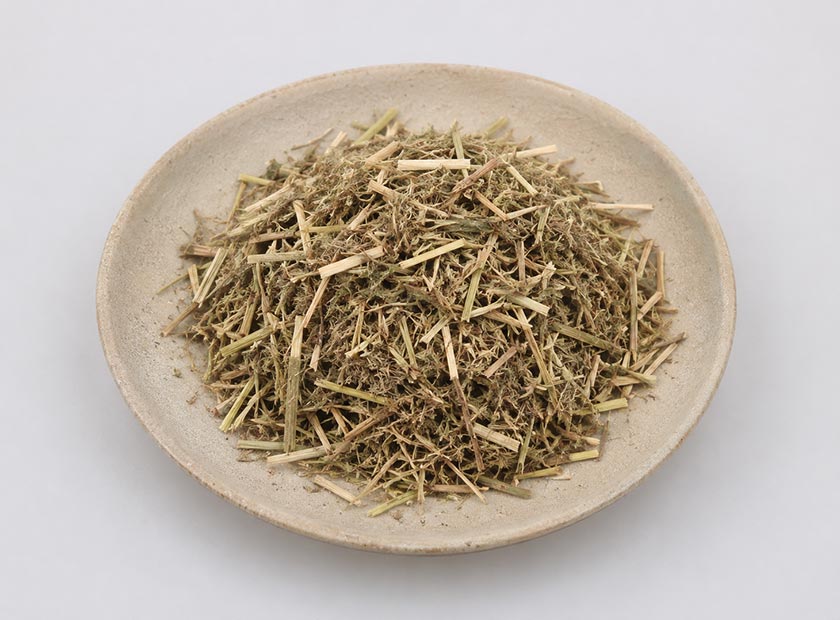
Why Forage Moisture Matters
Fresh-cut alfalfa and hemp sit at 70–80% moisture. Storage moulds take hold above roughly 14%, so everything between those two numbers has to go. Thermal drying can do it all, but evaporating one tonne of water costs far more than pressing it out. A screw press removes the free water — the water between the fibres — mechanically, and leaves the dryer to finish the bound moisture.
The Chop–Press–Dry Process
Step one: chop to 2–5 cm so the press can grip the material. Step two: feed the screw press, where a slowly turning spiral compresses the forage against a screen and a cone; water drains through the screen while pressed fibre exits at the discharge. Step three: dry the pressed fibre to storage moisture or send it directly to pelleting, briquetting or extraction. The press effluent — a nutrient-rich juice — is collected separately for liquid feed, fertilizer or anaerobic digestion.
Alfalfa: Dehydrated Feed and Protein Concentrates
Dehydrated alfalfa is a global feed commodity, and the economics of an alfalfa dehydration plant improve directly with a press stage upstream. With alfalfa dewatering removing roughly half the water mechanically, the dryer processes nearly double the tonnage on the same fuel. Pressed and dried alfalfa also transports economically, opening export markets that wet forage can never reach.
Hemp: Dewatering Before Processing
Hemp stalks and biomass need the same treatment, whether the end product is fibre, hurd or extraction biomass. Fresh hemp at 75–80% moisture is difficult to mill and expensive to dry; pressed hemp is stable enough to store and stage. For a full walkthrough of press settings and payback on hemp, see our hemp dewatering with a screw pressure machine guide and the hemp biomass dewatering overview.
What the Savings Look Like
Evaporating one tonne of water in a typical biomass dryer needs 700–900 MJ of fuel. Pressing the same tonne out takes 3–5 kWh of electricity — an order of magnitude less energy. For a line handling 10 tonnes of fresh forage per hour, adding a press stage saves roughly one tonne of water per two tonnes of feed from the dryer’s duty, which is why pressed-forage lines pay back the press investment within one to two seasons.
Choosing the Press Model
Forage is fibrous and slippery, so the press needs a screw designed for fibre: coarser screen, moderate speed, and a back-pressure cone that holds a consistent cake. Our CTYZ series screw press dewatering machines — from the CTYZ-200 for farm-scale batches to the CTYZ-500 for industrial forage lines — cover this range. Send your crop, moisture and daily tonnage and we will size the machine and run a free pressing test with your material.
Frequently Asked Questions
Q: Why is alfalfa dewatering done before drying?
A: Because mechanical separation is roughly ten times cheaper than evaporation. Pressing fresh alfalfa from 75% down to about 60% moisture removes half its water content mechanically, cutting dryer fuel consumption nearly in half and doubling effective dryer capacity.
Q: Can a screw press handle silage and fermented forage?
A: Yes. Silage press effluent is actually valuable as a liquid feed or fertilizer input, and the pressed fibre stores far better than unpressed silage. Run fermented material in dedicated batches and rinse the screen afterwards.
Q: Does screw pressing damage hemp or alfalfa fibre?
A: No. The low screw speed and gentle back-pressure squeeze out water without cutting or shortening the fibre, which is why dewatering is placed before any milling step in hemp processing.
Q: What moisture can a screw press reach on forage fibre?
A: Typically 55–65% on fresh chopped forage, depending on maturity and chop length. Final drying to storage-safe 12–14% is then done in a dryer or by field curing.
Want a cost estimate for your own material?
Browse the CTSS double shaft shredder range, see all machines on Products, or contact us with your daily tonnage for a per-ton operating calculation and a free quote.