Medicine Residue Dewatering with a Screw Press: A Guide for Extraction and Pharma Plants
Herbal extraction plants, traditional Chinese medicine processors and pharmaceutical fermentation facilities all face the same daily problem: tons of wet medicine residue that is heavy, perishable, regulated, and costly to move. A medicine residue dewatering machine based on screw press technology removes free water continuously at the source, cutting weight by 40–60% before the residue enters storage, transport or any downstream process.
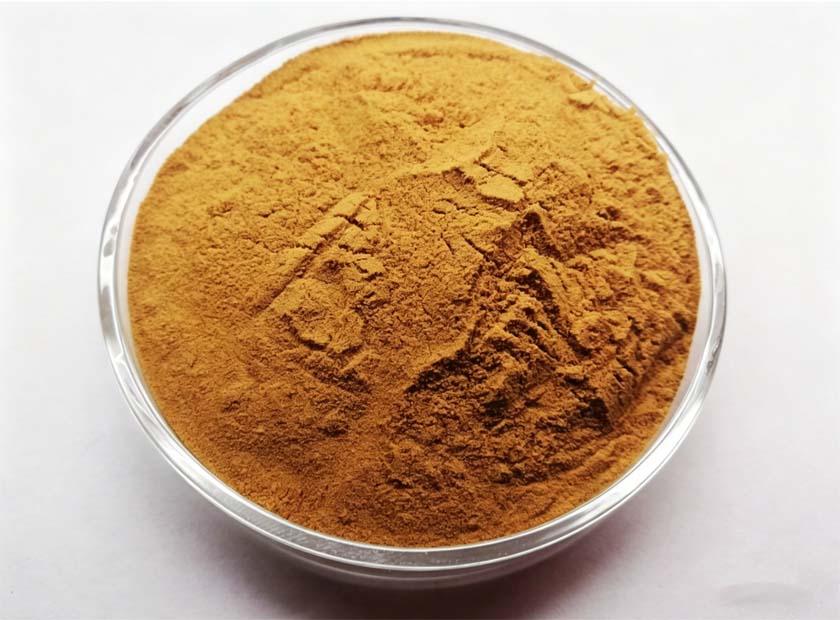
Where Wet Medicine Residue Comes From
Three streams dominate. Herbal and plant extraction (traditional medicine, nutraceuticals, food supplements) leaves spent botanical solids after solvent or water extraction. Pharmaceutical fermentation leaves mycelium and spent substrate from antibiotic and other fermentation processes. Filtration and centrifugation steps leave filter cake from intermediates and final products. All three share the same trait: they leave the process at 60–85% moisture, far too wet to transport or store economically.
Why Plants Dewater Before Disposal or Recovery
The case for dewatering is operational before it is environmental:
- Weight falls by 40–60%, which directly reduces hauling cost and collection frequency.
- Dewatered residue stores without rapid spoilage, so licensed disposal trips can be consolidated.
- Where residue is destined for drying or incineration, mechanical pressing removes most of the water at a small fraction of the thermal energy a dryer or incinerator would consume.
- Residue with recoverable value — spent botanical solids, for example — can enter composting or biomass channels once it is dry enough to handle.
Material Challenges: Fibrous, Sticky, Variable
Medicine residue is rarely an easy material. Plant-derived residue is fibrous and wraps around slow-moving parts if the screw design is wrong. Extract-laden solids are sticky and can blind fine screens. Fermentation residues vary batch to batch in consistency and solids content. A press built for this material needs high torque at low speed, a variable-pitch compression profile, and a screen basket that opens quickly for inspection and cleaning.
Our CTYZ press addresses these points directly: a low-speed, high-torque gear-motor drive resists wrapping; the wedge-wire screen is selected per material (typically 0.5–1.0 mm aperture for fine herbal residues); and the screen basket is accessible from the front, so routine cleaning does not require disassembly.
Hygiene and Enclosed Design Options
Pharmaceutical environments ask more of equipment than a composting yard does. All wetted parts of the CTYZ range are 304 stainless steel as standard, with 316L available as an option where cleaning chemistry or chloride exposure demands it. Enclosed feed hopper and enclosed discharge options limit airborne dust and odour around the press, and smooth stainless surfaces are compatible with wash-down cleaning between campaigns. Every machine is tested with real material before dispatch, so performance is verified rather than assumed.
Matching the Model to Your Line
Size the press to your peak wet-residue output per hour. Pilot and lab-scale extraction lines fit the CTYZ-160; mid-size herbal extraction plants typically run a CTYZ-300 or CTYZ-400; large fermentation facilities move to the CTYZ-500 or CTYZ-600.
| Model | Motor Power | Processing Capacity | Screw Diameter |
|---|---|---|---|
| CTYZ-160 | 3 kW | 0.5–1 m³/h | 160 mm |
| CTYZ-200 | 5.5 kW | 2–5 m³/h | 200 mm |
| CTYZ-300 | 15 kW | 5–10 m³/h | 300 mm |
| CTYZ-400 | 30 kW | 10–15 m³/h | 400 mm |
| CTYZ-500 | 45 kW | 15–20 m³/h | 500 mm |
| CTYZ-600 | 55 kW | 20–30 m³/h | 600 mm |
What Happens After Dewatering
The pressed cake at 40–70% moisture (depending on material) has three common routes. It can go to licensed disposal at a fraction of the original weight. It can enter recovery channels — spent botanical residue is used as compost feedstock or biomass fuel where regulations permit. Or it can be dried further on site when the dry solids themselves have market value. In each case, the press does the cheap mechanical work first so that transport, incineration or drying only handles the concentrated solids.
Can a screw press handle sticky fermentation residue?
Yes, with the right configuration: a high-torque, low-speed screw, a variable-pitch compression profile, and a screen aperture matched to the solids size. Sticky, high-viscosity residues benefit from a steadier feed and a slightly larger screen aperture.
What outlet moisture is realistic for medicine residue?
Output moisture typically lands between 40% and 70% depending on the material’s fibre content and initial consistency. Fibrous herbal residue presses drier than fine fermentation cake. We verify the result with a test on your actual material.
Is 316L stainless steel available?
Yes. 304 stainless is standard for all wetted parts; 316L is offered as an option for aggressive cleaning chemistry or chloride-rich processes.
Does pressing alter the residue chemically?
No. The press applies mechanical pressure only — no heat, no chemicals. It removes free water and does not change the composition of the solids.
How do we get a recommendation and price?
Send us the material type, hourly wet output, initial moisture, and intended destination of the pressed cake. Our engineers will recommend a model and configuration with a firm quotation.
Need a medicine residue dewatering machine for your extraction line?
Contact our engineers on WhatsApp for model selection and a free quote.
Related: Extract residue application · CTYZ-300 screw press · Coffee grounds dewatering guide · All CTYZ models