Double Shaft Shredder vs Shear: Which Machine Fits Your Scrap Line?
Scrap yards and recycling plants often reach a point where they must choose between a shear and a double shaft shredder. Both cut metal-rich waste, but they cut it in completely different ways — and choosing the wrong one either caps your throughput or forces you to buy a second machine a year later. This guide compares both by working principle, material, output and running cost.
How the Two Machines Cut
A shear — alligator or guillotine — works like a giant pair of scissors: a blade comes down once and cuts a long piece of steel into two shorter pieces. It is excellent at shortening but does nothing to the cross-section. A double shaft shredder works continuously: two shafts with multi-claw blades rotate slowly toward each other, shearing and tearing anything fed between them until pieces fall through as chips. One machine cuts length only; the other reduces the whole piece.
Which Materials Suit Each Machine
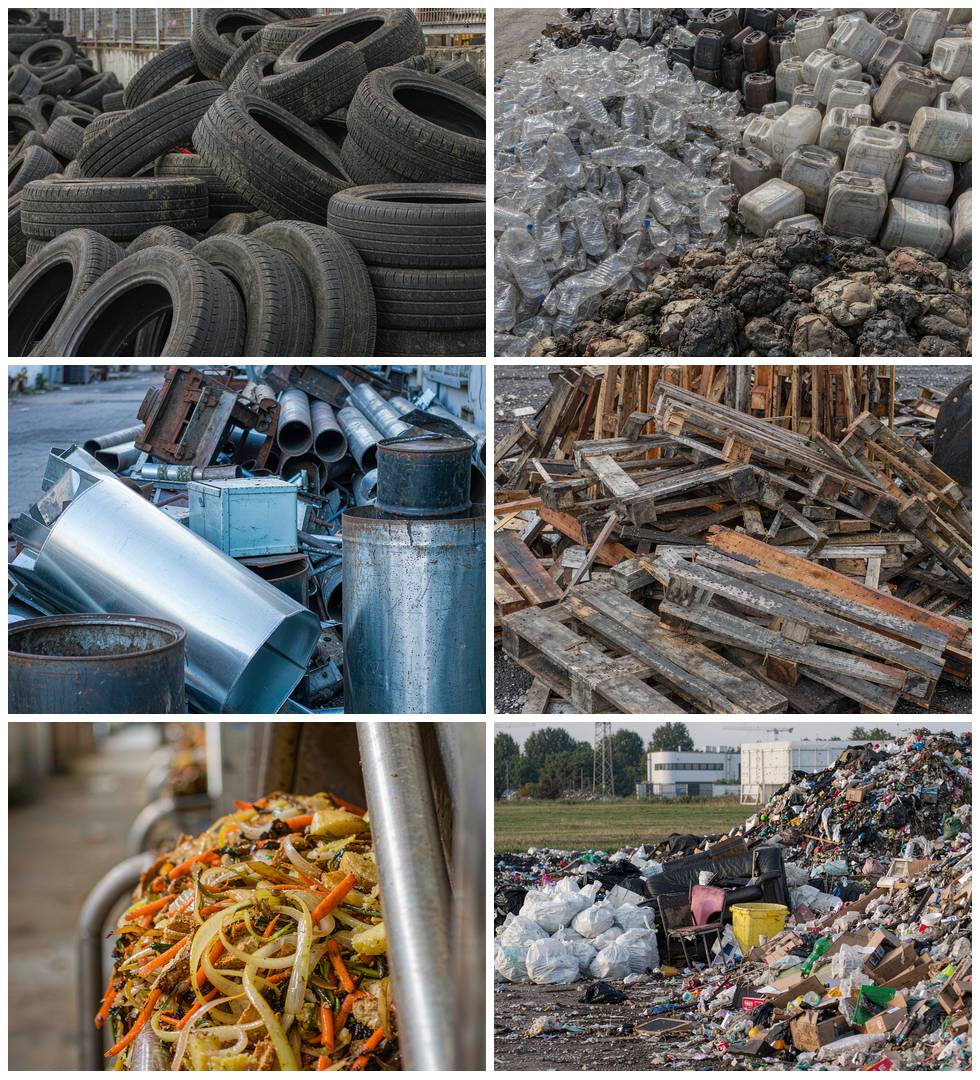
Choose a shear when the feed is long, heavy and predictable: beams, rails, thick pipes, rebar, cable. One clean cut per stroke, low power per cut, minimal blade wear. Choose a double shaft shredder when the feed is bulky, tangled or mixed: whole tires, plastic drums, IBC containers, film and woven bags, pallets, appliances, MSW. A shear cannot grip a whole tire; a shredder eats it.
Output Size and Downstream Value
This is where the two machines diverge most. Sheared material is still recognisable — shorter pieces of the same profile — and usually goes to a further process: baling, briquetting, or the shredder. Shredder output is a chip in the 50–150 mm range (depending on blade thickness and width) that can go directly to magnetic separation, washing, pyrolysis or TDF specification. If your customer buys a defined chip size, a shredder is the only one of the two that produces it.
Throughput and Running Cost
Per cut, a shear is cheap: one hydraulic stroke, one piece. Per ton, the comparison depends on material. Long clean steel: the shear wins on energy. Mixed bulky waste: the shredder wins, because a shear needs an operator to position every piece while the shredder takes continuous feed. Labour, not electricity, is usually the deciding cost on mixed scrap.
When You Need Both
Larger yards often run a two-stage line: a shear pre-cuts beams and oversized long stock to a manageable length, and the double shaft shredder reduces everything to saleable chips. The two machines are complementary, not competing: the shear handles what the shredder would grind slowly, and the shredder handles everything the shear cannot grip.
Selection Checklist
- Is your feed long and thick but uniform? Shear.
- Is it bulky, mixed or tangled? Double shaft shredder.
- Does your buyer need a defined chip size? Shredder.
- Is labour cost high relative to power? Shredder (continuous feed).
- Do you process both long steel and mixed waste? Both, in sequence.
For machine details and configurations, see our CTSS double shaft shredder page and the buying guide for double shaft shredders for sale.
Frequently Asked Questions
Q: Can a double shaft shredder replace a shear?
A: For bulky mixed scrap, yes: a twin-shaft machine shears, tears and Liberates material into chips in one pass, while a shear only shortens long pieces. For clean, long, thick-walled sections like beams or thick rebar bundles, a shear still makes the faster, cheaper cut. Many yards run both: shear for long profiles, shredder for everything else.
Q: Which materials suit a shear best?
A: Long, predictable, thick-section steel: I-beams, rails, thick-walled pipes, rebar bundles and cable. A guillotine or alligator shear cuts these quickly with a clean edge, using less power per cut than shredding.
Q: Which materials suit a double shaft shredder best?
A: Whole tires, drums and IBCs, plastic film and woven bags, wood pallets with nails, appliances and mixed commercial waste — anything bulky, tangled or mixed that a shear cannot grip and cut in one clean stroke.
Q: What output size does each machine produce?
A: A shear only reduces length; cross-section is untouched. A double shaft shredder with 50–100 mm blades produces chips in that size range directly, ready for downstream separation, TDF production or pyrolysis feed.
Want a cost estimate for your own material?
Browse the CTSS double shaft shredder range, see all machines on Products, or contact us with your daily tonnage for a per-ton operating calculation and a free quote.