CE & ISO certified manufacturer | 30+ countries | Factory direct supply
Six models from CTYZ-160 to CTYZ-600, covering throughput from 0.5 m³/h to 25+ m³/h. All models CE & ISO certified.
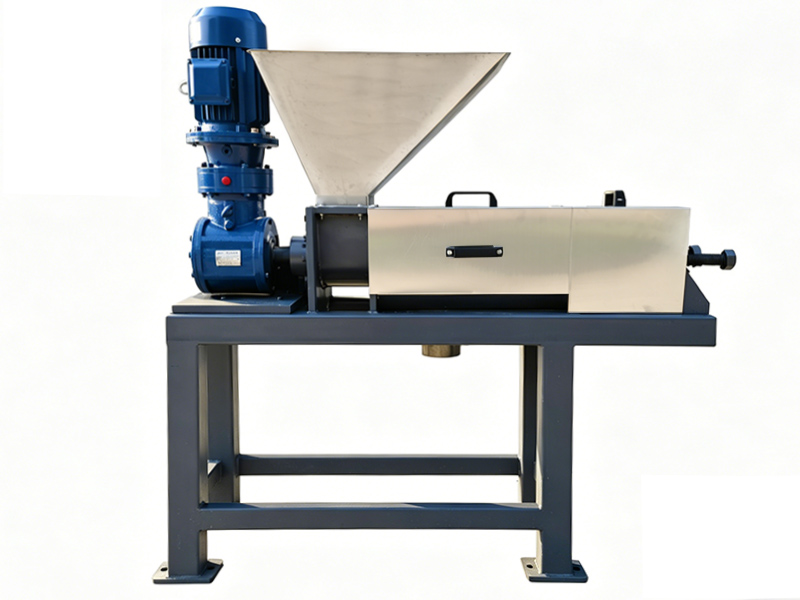
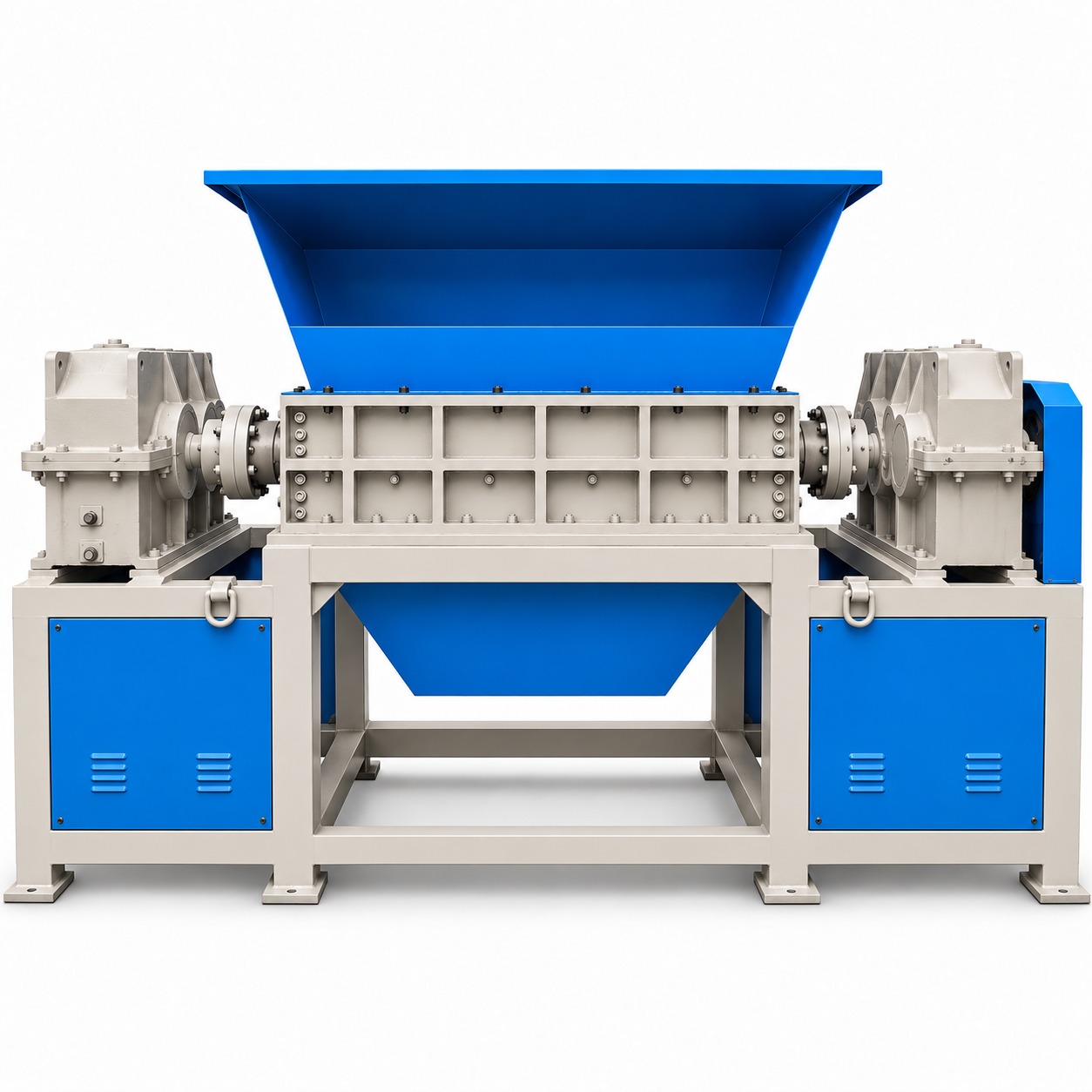
Entry-level model for small-scale operations
Compact screw press dewatering machine ideal for pilot projects, small farms, and laboratory use.
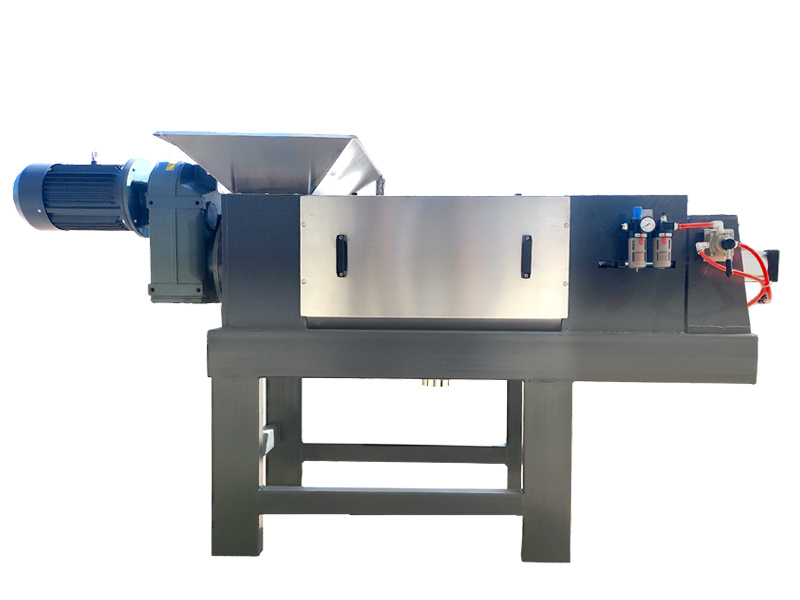
Compact model for medium-small operations
Versatile screw press dehydrator suitable for food processing facilities, small breweries, and organic waste recycling stations.
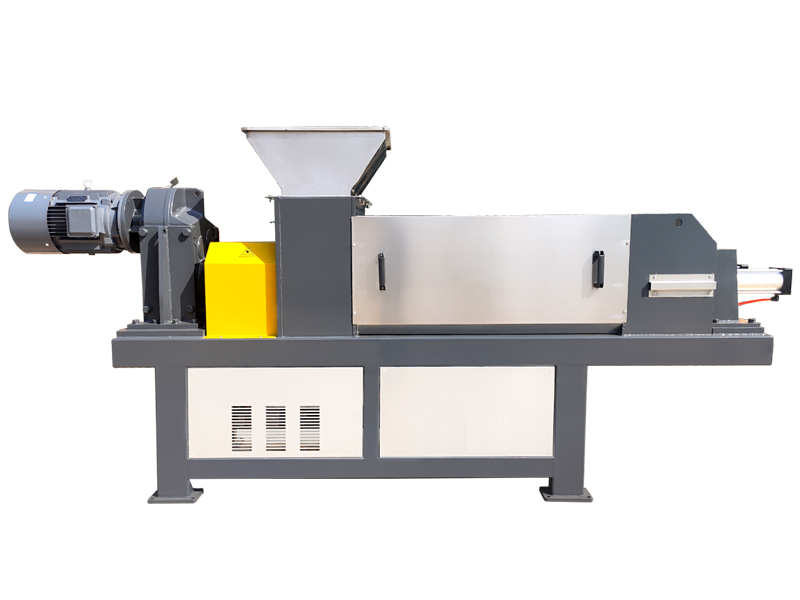
Mid-range model for commercial applications
High-capacity screw press dewatering machine for food processing plants, agricultural operations, and medium industrial facilities.
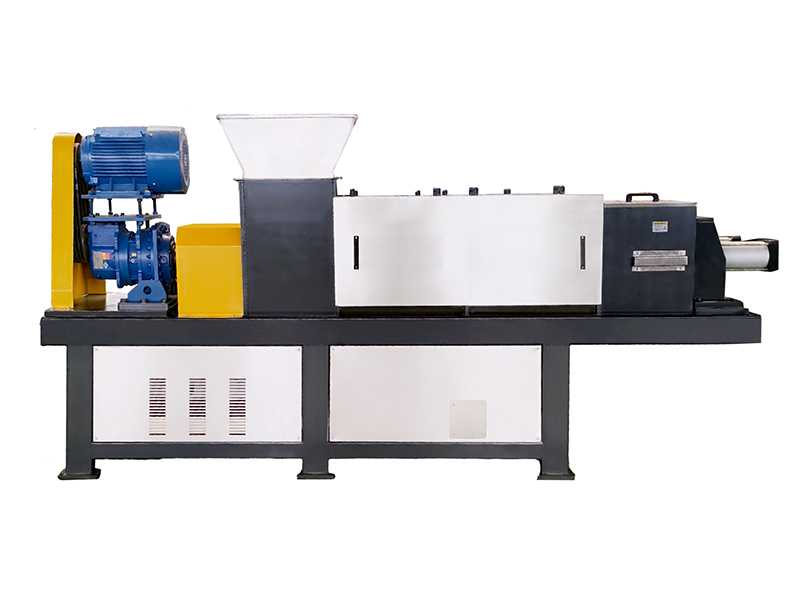
Heavy-duty model for large-scale operations
Industrial screw press dewatering machine for large farms, municipal waste treatment, and heavy industrial applications.
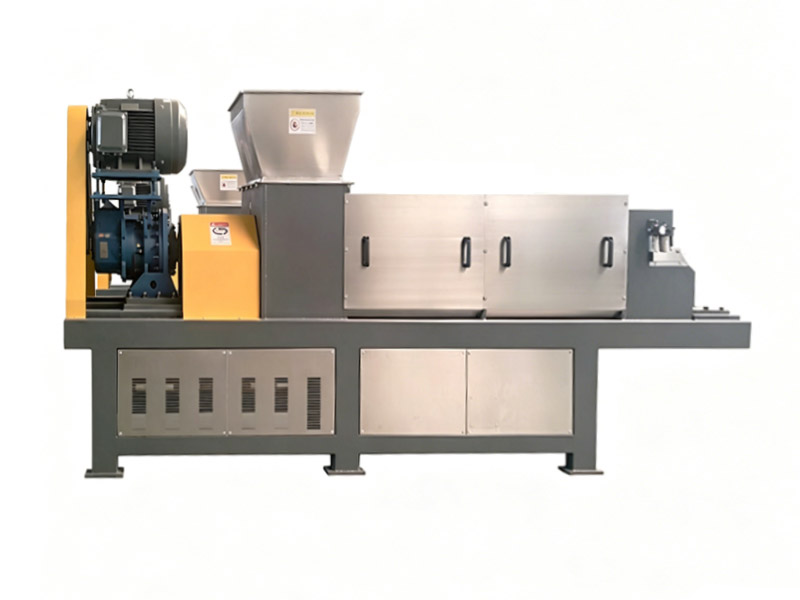
Industrial model for high-capacity processing
High-throughput screw press dehydrator for large-scale food processing, rendering plants, and agricultural waste management.
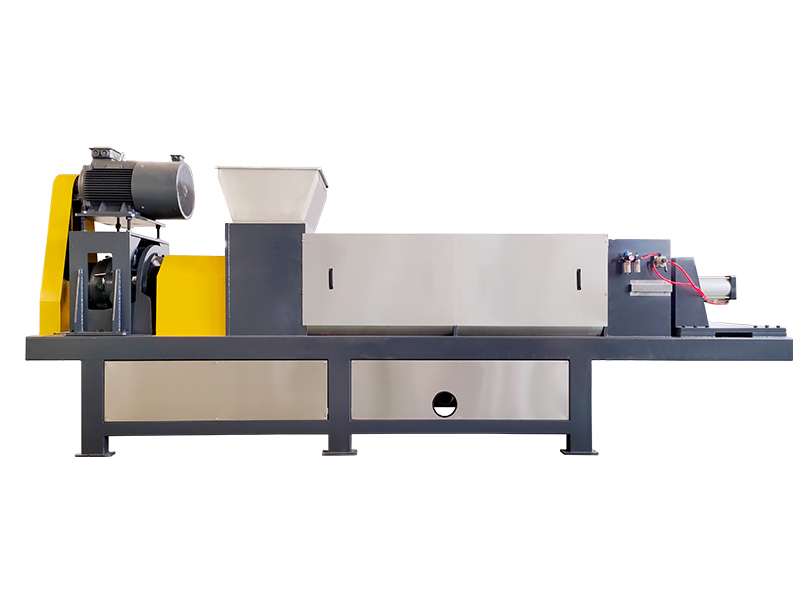
Ultra-heavy-duty for maximum throughput
Maximum capacity screw press dewatering machine for municipal facilities, large agricultural operations, and industrial waste treatment.
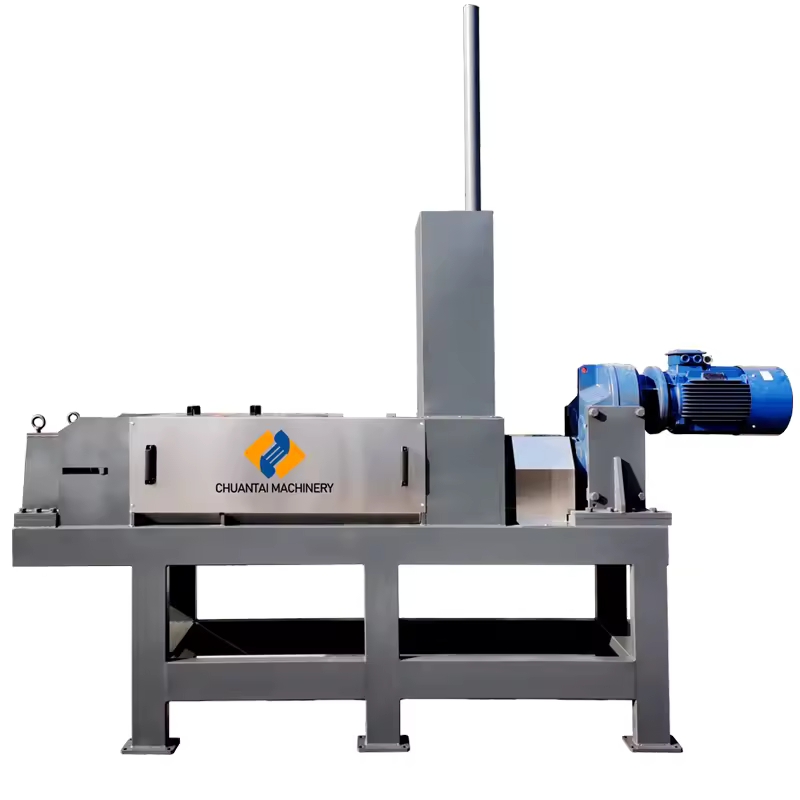
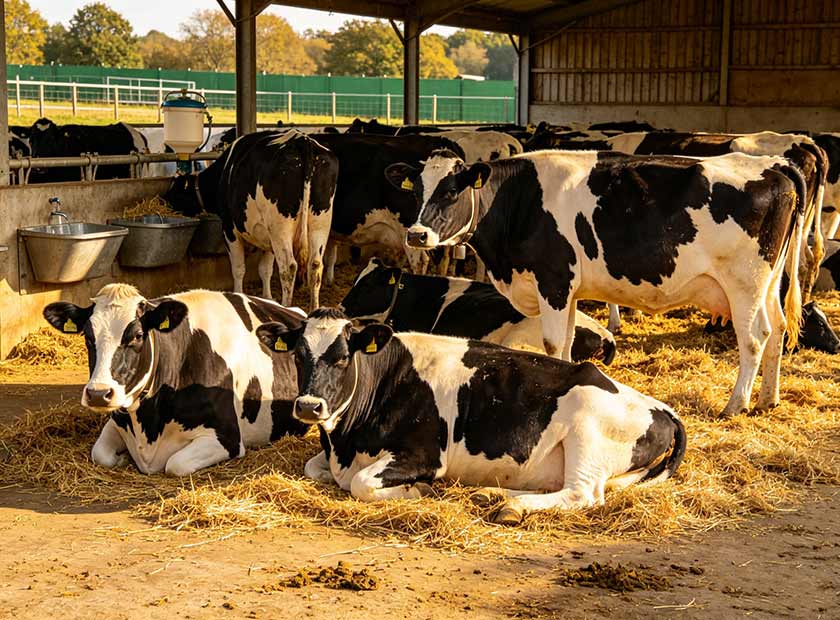
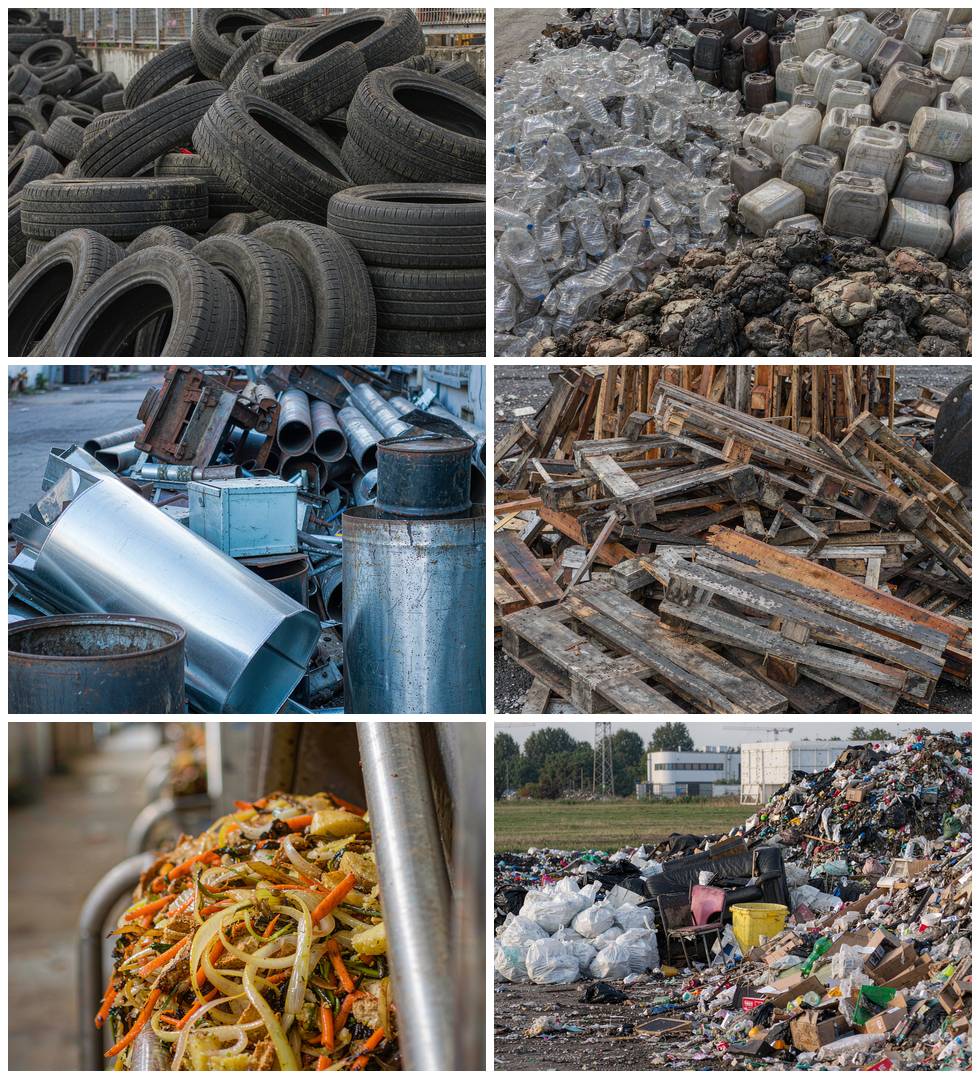
CTYZ screw press dewatering machines have been successfully applied in a wide range of industries worldwide.
All machines certified to EU CE and ISO 9001 standards. Quality you can trust for global markets.
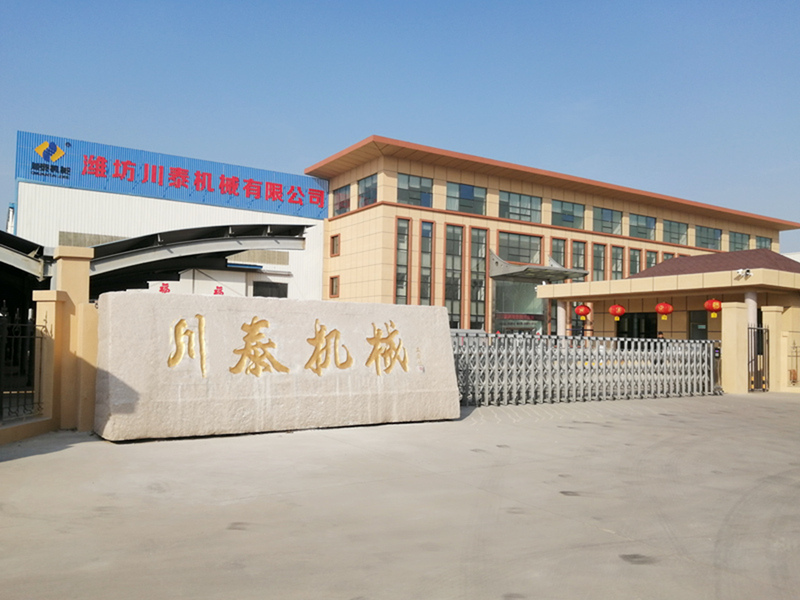
Our own manufacturing facility in Weifang, Shandong. Full production control from casting to assembly.
14+ years of screw press manufacturing experience. Hundreds of installations in 30+ countries worldwide.
Global export experience with full documentation support: COO, Form E/F/A, COA, and chamber-verified certificates.
Custom branding, voltage, material, and configuration options. We build to your specifications.
Dedicated sales and engineering team. We respond to all inquiries within 24 hours with tailored recommendations.
Chuantai Machinery Co., Ltd. is a professional manufacturer of CTYZ series screw press dewatering machines, established in 2011 in Weifang, Shandong Province, China.
With 15,000 m² of production facilities, 65+ experienced staff, and 14+ years of expertise, we have supplied machines to customers in 30+ countries across agriculture, food processing, pharmaceutical, and environmental industries.
All CTYZ series machines carry CE and ISO 9001 certifications and are backed by our comprehensive technical support and after-sales service.
Quick answers to common questions about CTYZ screw press dewatering machines.
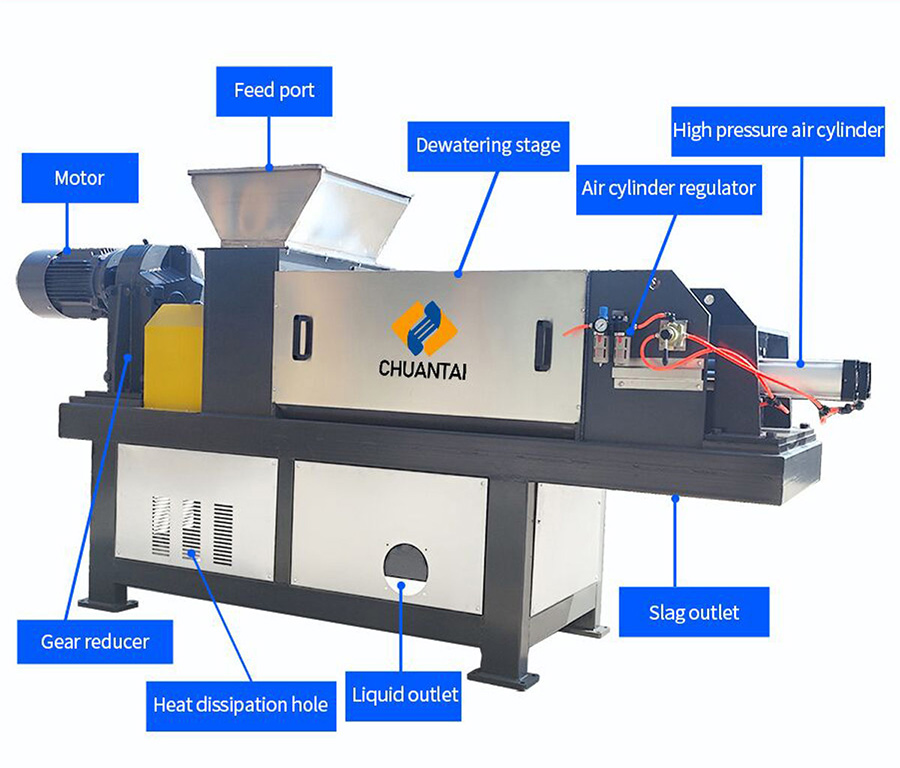
A rotating variable-pitch screw inside a wedge-wire screen basket moves material from the inlet toward the discharge end. As the screw pitch decreases, material is progressively compressed. Liquid passes through the screen apertures and is collected below. The dewatered solid cake exits continuously. No filter media or chemicals are required.
Output cake moisture typically reaches 40–70% across all material types, with weight reduction of 60–80%. Exact values depend on feed moisture, screen aperture, back-pressure setting, and feed rate. We share performance data from existing installations on request.
Primary selection factors: daily throughput (m³/h), material type, power supply (voltage/frequency), and available space. As a guide: CTYZ-160 for small farms up to ~3 m³/h; CTYZ-200/300 for mid-scale (3–10 m³/h); CTYZ-400/500/600 for industrial (8–25+ m³/h). Contact us for a tailored recommendation.
Yes. All models can be configured for any standard voltage and frequency: 220V/60Hz (North America/Japan), 380V/50Hz (Europe/Asia), 415V/50Hz (Australia/UK), 460V/60Hz (North America industrial), and more. Please specify your supply when requesting a quote.
Technical guides, application case studies, and industry trends from our screw press engineering team.

The industrial hemp industry is experiencing rapid growth worldwide. After harvest, hemp stalks contain significant moisture that must be removed before decortication or storage. A screw press dewatering machine offers an efficient mechanical method to reduce moisture content.

Juice extraction facilities produce large volumes of fruit pomace — the solid residue left after pressing apples, oranges, grapes, and other fruits. This pomace is typically 75–85% water.

Textile manufacturing and natural fibre processing facilities generate substantial amounts of fibre-rich waste streams. Cotton trimmings, wool scouring effluent, and synthetic fibre offcuts all share a common challenge.