Screw Press Dewatering Machine Cost: What Drives the Price and How to Compare Quotes
Two quotations for what looks like the same screw press dewatering machine can differ by a factor of three, and usually neither supplier is cheating: they are quoting different machines. This guide breaks the price into the six factors that actually move it, explains what a complete quotation should contain, and gives a running-cost calculation so you can judge offers on total cost instead of headline price.
Why Two Quotes for the Same Machine Differ by Three Times
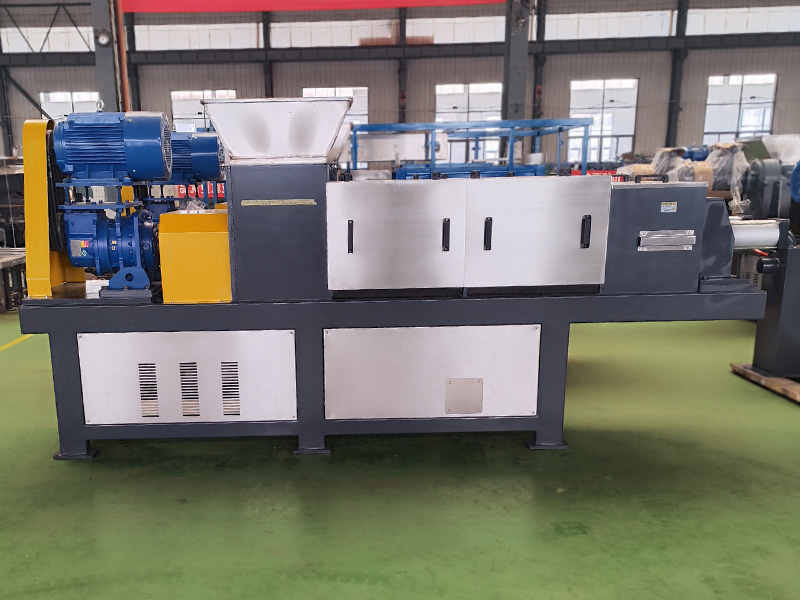
A screw press is a simple machine in principle: a rotating screw inside a cylindrical screen, a cone at the discharge end to create back pressure, and a motor and gearbox to turn it. Everything that changes the price sits in the details of those parts and in how the machine is built around them. When a buyer compares only the screw diameter and the kilowatt rating, the two numbers look comparable while the machines are not.
The Six Factors That Move the Price
1. Screw diameter and throughput
Capacity scales with screw diameter, and price scales with capacity. Our range runs from the CTYZ-160 at 0.5-1 m3/h up to the CTYZ-600 at 20-30 m3/h, and the price difference across that span is roughly an order of magnitude. Buying one size larger than needed is the most common way to overspend, because the extra capacity is paid for in steel, motor and freight whether or not it is used.
2. Materials of construction
The same machine in painted carbon steel, in 304 stainless and in 316L stainless can differ by 30-60%. The screen, the screw flight, the cone and the frame are the parts in constant contact with wet, often acidic material. For manure, digestate, food waste and anything with salt, stainless is not a luxury: it is what keeps the machine serviceable after five years.
3. Screen specification
A wedge-wire screen costs more than a drilled or punched plate, and it earns that difference in open area: more drainage per square centimetre, less blinding, and a cake that releases cleanly. Screen aperture also matters: finer slots retain more solids but slow drainage, so the right aperture depends on the material rather than on price.
4. Drive train
The motor and gearbox are where cheap machines hide their savings. A reputable geared motor with a service factor matched to the load, correctly aligned and oil-filled for continuous duty, costs more than an undersized unit that runs hot. Ask for the gearbox brand, the service factor and the duty rating in writing.
5. Control level
A basic star-delta starter panel, a variable-frequency drive, or a PLC with level sensors and automatic flush are three different price points. A VFD is often worth it: it lets the operator slow the screw for wet, slippery material and speed it up for fibrous feed, which is the single most useful adjustment on the machine.
6. Accessories and scope
Feeding pump or conveyor, discharge conveyor, flocculant dosing skid, mobile frame, spare screens and the spare parts kit all change the delivered price. A quote that looks cheap often excludes half of what the plant needs to run.
Typical Price Bands
As a rough orientation for Chinese-made equipment, FOB China in 2026: the 160-200 mm class sits in the low single-digit thousands of US dollars; the 300-400 mm class, which covers most farm and small food-processing installations, sits in the high four figures; the 500-600 mm heavy-duty class sits in the low five figures. These bands are indicative only, and the configuration items above move a quote well inside or outside them.
What a Complete Quotation Should Contain
- Model, screw diameter, motor power and rated capacity, with the material the capacity refers to.
- Materials of construction for frame, screen, screw and cone.
- Voltage, phase and frequency, matching your site supply.
- Scope list: what is included and what is excluded.
- Crating dimensions, gross weight and shipping terms.
- Warranty period and what it covers.
- Spare parts list with prices, so future costs are visible now.
- Lead time and the inspection or test report provided before shipment.
Running Cost per Ton
A screw press is a low-speed machine, so its power draw is modest relative to the water it removes. Take a CTYZ-300 at 15 kW handling 7 m3/h of manure slurry: the energy figure works out to roughly 2 kWh per cubic metre, about USD 0.20 per ton at USD 0.10/kWh. Screens and screw flight wear slowly and predictably; a spare screen and a flight hard-facing every few years are the main items. Labour is usually shared with other farm or plant tasks. In most installations the total lands between USD 1 and USD 3 per ton, which is small against the cost of transporting or storing the same material wet.
Costs Buyers Forget
- Foundation or steel skid, and the civil work to level it.
- Feeding pump, sump or conveyor, plus the pipework to reach the machine.
- Discharge conveyor for the cake and a tank or lagoon connection for the liquid.
- Power cable, isolator and, if the supply is weak, a soft starter.
- Sea freight, insurance, port charges and inland haulage at destination.
- Flocculant dosing, only where the material genuinely needs it.
How to Compare Two Offers Fairly
Put both quotes on the same basis before comparing numbers: the same material, the same dry matter, the same required capacity in m3/h, the same duty cycle, and the same scope. Then compare warranty length, spare parts availability, whether a test was run on your material, and how quickly the supplier answers technical questions. A supplier who will not state the material grade of the screen or the gearbox service factor is telling you something.
Where It Pays to Spend More
Three upgrades repay themselves quickly: a stainless screen and cone, a VFD, and a spare screen shipped with the machine. A fourth, an automatic flush system, is worth considering where the material is sticky or the operator is not always on site. Everything else can be added later if the duty changes.
Related reading: how the machine works internally is covered in what is a screw press, and the step-by-step selection method in how to choose a screw press dewatering machine.
Frequently Asked Questions
Q: How much does a screw press dewatering machine cost?
A: For Chinese-made machines the overall band runs from the low single-digit thousands of US dollars for a 160-200 mm screw unit to the low five figures for a 500-600 mm heavy-duty model, FOB China. Screw diameter, materials of construction, drive specification and control level move the figure inside that band, so compare quotes on the same configuration and the same capacity basis.
Q: Is stainless steel worth the extra cost?
A: For manure, food waste, digestate and anything acidic or salty, yes. A painted carbon steel machine on wet manure shows corrosion at welds and screen supports within a few years, and replacing a screen frame costs more than the original upgrade. For clean, neutral materials such as fresh vegetable residue, painted carbon steel can be a reasonable saving.
Q: What is the running cost per ton?
A: Electricity is the largest item. A 15 kW CTYZ-300 running 7 m3/h draws roughly 2 kWh per cubic metre, so at USD 0.10/kWh the energy share is about USD 0.20 per ton. Screens and screw flight wear, labour and maintenance add to that; most farm and food-waste installations land in a total of USD 1-3 per ton.
Q: Can I get a quotation with freight to my port?
A: Yes. Send the destination port, the expected daily volume and the material so the quote can include crating, inland transport and sea freight, plus an FOB price for comparison. Installation supervision and a spare parts kit can be quoted separately or included.
Need a price for your material and tonnage?
Send your material type, daily volume and destination port through the contact form, or browse the CTYZ screw press range from 160 to 600 mm screw diameter for capacities and motor ratings.